

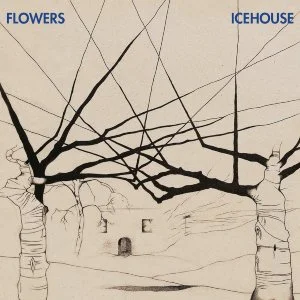
ICEHOUSE (1980)
The band once called Flowers defines a sound on their debut: icy post-punk in new wave polish. A red-hot No Skip Album and a cornerstone of early Australian new wave.
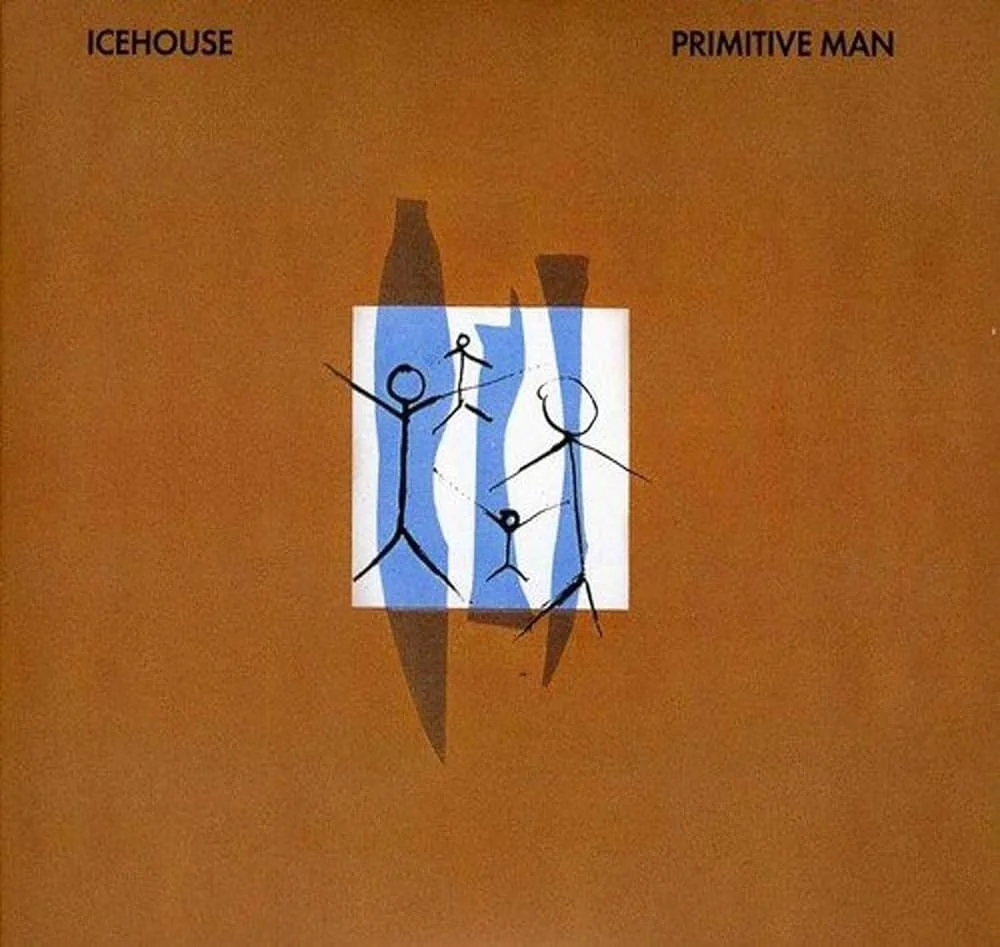
Primitive Man (1982)
Icehouse level up, leaning hard into atmospheric synth-pop without losing their post-punk edge. Back-to-back No Skip Albums, home to the classic Great Southern Land.
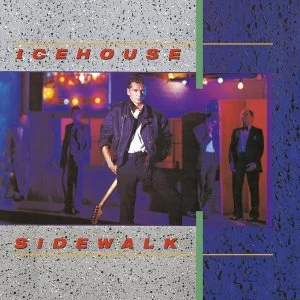
Sidewalk (1984)
Icehouse's divisive black sheep, a Roxy Music-and-Bowie-flavored swerve that plays more like tribute than theft. The weakest of the first three, but far from a skip.

Measure For Measure (1986)
Icehouse go bigger and glossier, folding in Fairlight textures and guest talent. A slick, ambitious mid-80s turn that's better than its reputation suggests.
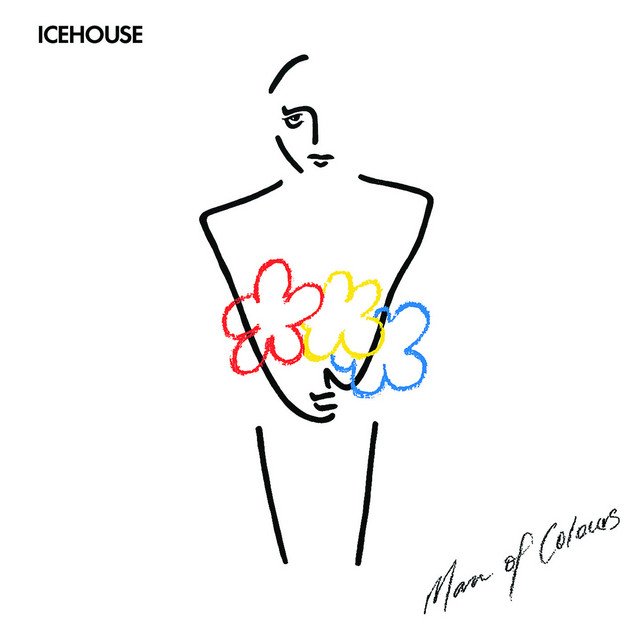
Man Of Colours (1987)
Icehouse's commercial summit, packed with hits like Crazy and Electric Blue. The polished, synth-pop high point of the Australian band's whole catalog.

Code Blue (1990)
Following their commercial peak, Icehouse go moodier and less radio-hungry. An overlooked, transitional step into the 1990s.
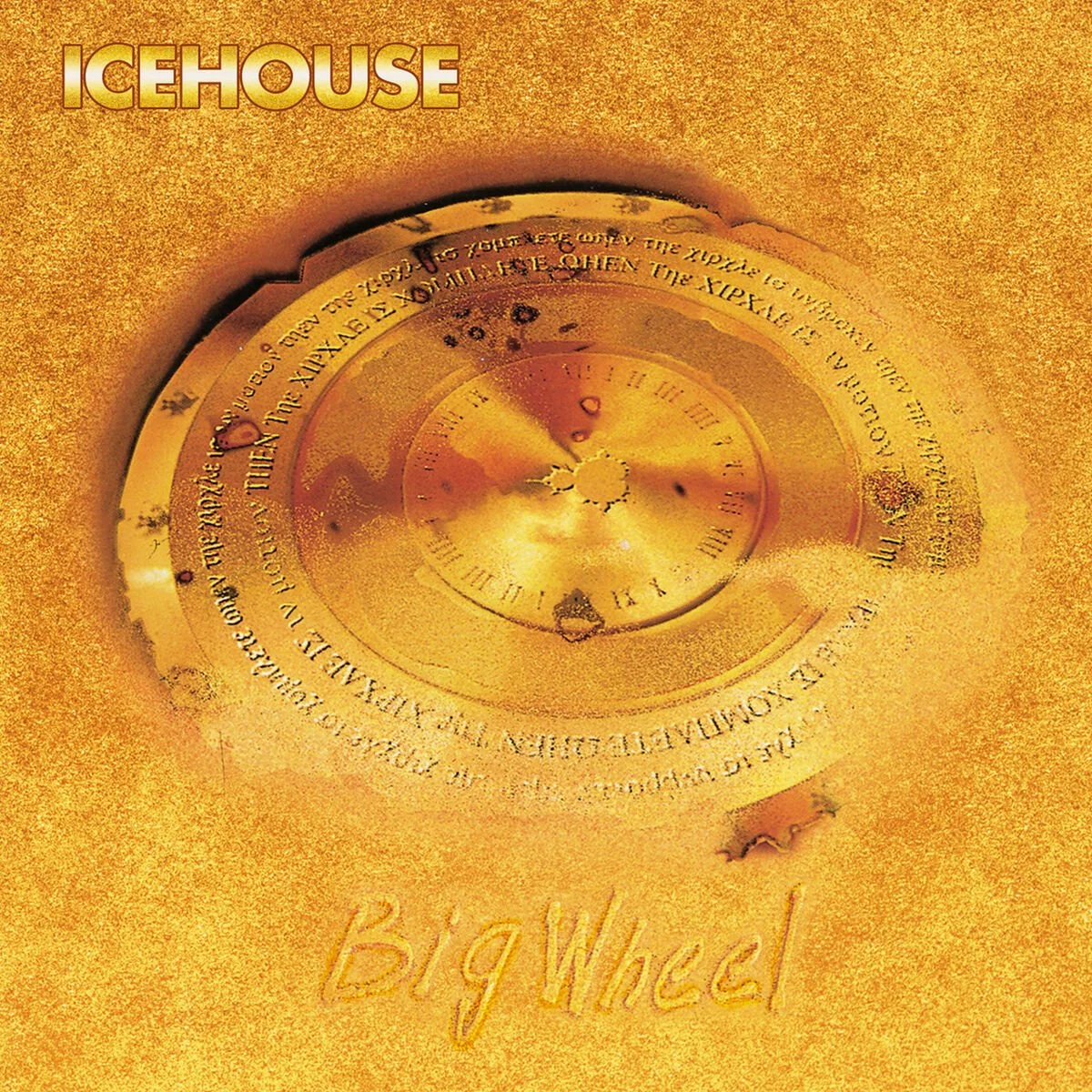
Big Wheel (1993)
Icehouse get restless and electronic, leaning into dance textures on an adventurous mid-90s record. A late-career swerve for the curious.
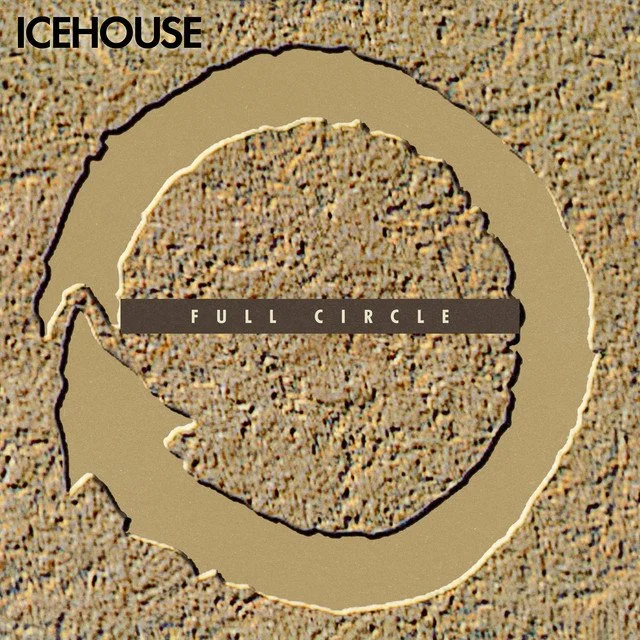
Full Circle (1994)
Icehouse get restless and electronic, leaning into dance textures on an adventurous mid-90s record. A late-career swerve for the curious.

The Berlin Tapes (1995)
Icehouse's catalog reworked for the club, a remix collection aimed at completists and dancefloors more than newcomers.
